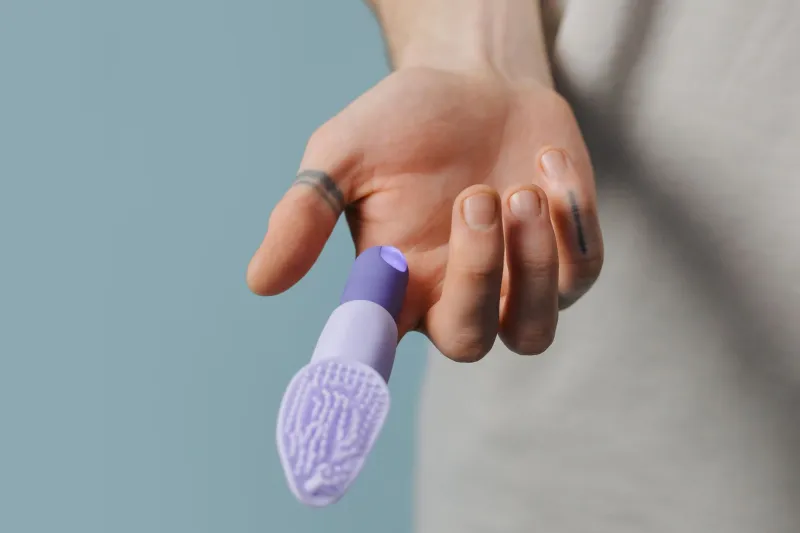
The Right Slip: Matching Lube to Your Rose Without Ruining It
Photo: water-based lubricant bottle beside silicone vibrator on neutral background, via c8.alamy.com
Lube is one of those purchases that feels simple until you’re standing in a shop aisle — or scrolling a UK retailer’s site at 11pm — wondering whether the bottle in your basket will be kind to your Rose. It’s not about hype or fancy formulas. It’s about material compatibility, a bit of ingredient awareness and a five-minute patch test. Get that right and you’ll spend less time worrying and more time enjoying the thing you bought.
First, know what your Rose is made of
Most Rose-style vibrators sold in the UK are silicone or TPE. Silicone is generally the more robust option: non-porous, easy to clean and less fussy about what it comes into contact with. TPE is softer and often cheaper, but it’s more porous and can be pickier — especially with silicone-based lubes. If the box or listing doesn’t say clearly, treat it as the more delicate material until you know otherwise. A quick email to the retailer is fair game; a reputable UK seller should be able to tell you.
This matters because lube isn’t just “wet stuff”. Different bases behave differently on different surfaces. The wrong match can leave a toy feeling tacky, cloudy or degraded over time — and that’s before we get to what feels comfortable on your skin.
Water-based lube: the safe default
If you want the least dramatic starting point, water-based lube is it. It’s generally compatible with both silicone and TPE, easy to wash off and widely available in UK chemists and supermarkets. It’s also the usual recommendation if you’re using condoms on a toy, because it won’t weaken latex the way oil-based products can.
The catch is that water-based lubes vary a lot. Some are thick and cushiony; others are thin and runny. Some contain glycerin, which can feel sticky for some people or cause irritation if you’re sensitive. Flavoured or “tingling” formulas are best avoided for internal use unless you actively want a side order of stinging. Plain and boring is often the most comfortable choice.
Silicone lube: lovely, but not universal
Silicone-based lube lasts longer and doesn’t dry out as quickly, which makes it popular for shower use or longer sessions. It can be compatible with high-quality silicone toys, but it’s not a blanket green light. Some silicone lubes can interact with silicone toys and leave them tacky or worse. If you want to try it, test a small hidden patch on the toy first and see how the surface behaves after a day. Do not use silicone lube on TPE — it can soften or degrade the material.
Silicone lube is also harder to wash off. You’ll need mild soap and warm water, and a bit of patience. If you’re sharing a bathroom with flatmates, that’s worth factoring in.
Hybrid and oil-based: read the small print
Hybrid lubes mix water and silicone. They can feel silkier than plain water-based options, but they still contain silicone, so the same caution applies with silicone toys and TPE. Oil-based lubes — coconut oil, mineral oil, petroleum jelly — are a firm no for latex condoms and best avoided on TPE toys. They can also be a pain to clean from silicone, leaving a film that takes a few washes to shift.
If you’re using condoms on a toy, check the condom packaging rather than guessing. Oil-based products can damage latex; water-based and most silicone lubes are the safer bets. And if you’re sharing toys, a fresh condom between users is basic hygiene — not a judgment call.
Ingredients worth pausing on
You don’t need a chemistry degree. But if your skin is sensitive, scan the label for glycerin, propylene glycol, parabens, added fragrance and “warming” or “cooling” agents. None of these are automatically terrible, but they’re common culprits for irritation in some people. A simple, short ingredient list is often the easiest place to start.
Be sceptical of lube that promises to “enhance” sensation in bold letters. A Rose vibrator already does plenty. Lube’s job is to reduce friction, not to add a chemical thrill.
The five-minute patch test
Before you commit to a full session, put a small amount of lube on the inside of your wrist or elbow. Wait 24 hours. If there’s redness, itching or stinging, don’t use it. For the toy itself, apply a tiny dot to an inconspicuous area, leave it for a few hours and check for tackiness, discolouration or a change in texture. This isn’t a guarantee, but it’s a sensible early warning system.
Cleaning after lube
Water-based lube generally rinses away with warm water and a mild, unscented soap. Silicone lube needs a bit more effort — warm water, gentle soap and a thorough rinse. TPE toys should be cleaned promptly after use, because the material is more absorbent. Dry everything properly before storing it, and keep toys away from direct sunlight and heat. A clean, dry storage pouch is your friend.
Discreet buying, UK-style
There’s no need to make a production of it. UK retailers are used to selling lube alongside condoms and period products; self-checkouts and plain online packaging are normal. If you’re ordering online, check the delivery options — Royal Mail or a lockered courier is fine, and most reputable shops use discreet outer packaging. If you’re in a shared house, a small bottle of water-based lube is easier to stash than a giant pump dispenser.
The short version
Water-based lube is the sensible default for silicone and TPE Roses. Silicone lube can work with silicone toys if you patch-test first, but keep it away from TPE. Avoid oil-based products on TPE and with latex condoms. Patch-test anything new, clean promptly and don’t overthink the marketing. Your Rose doesn’t need a luxury lube wardrobe — just the right slip.